Market Research
Research supporting the development of InTune.
Market Research Questions
Market Overview - A comprehensive analysis of the AI in the Mental Health market, as well as other related markets, will be conducted with a focus on their financial aspects. This review will include in-depth information on market size, growth potential, emerging trends across AI-driven mental health solutions and related sectors, regional analysis of adoption rates, and the barriers that may affect entry into these markets.
The Target Audience - A thorough assessment will be undertaken to evaluate both the mental health patients audience and the therapists audience. This evaluation will encompass qualitative and quantitative aspects to gain comprehensive insights.
Business Models and Competition - The research will encompass a thorough evaluation of both direct and indirect competitors, focusing on aspects such as fundings, investments, revenues, business models, and marketing channels. Moreover, a comparative analysis will be conducted with leading competitors, facilitated by the use of a feature comparison table.
Summary and Conclusions - The research findings, combined with key business insights, will help determine the ideal market to enter and provide essential information on the venture's ability to differentiate itself from competitors within the industry.
Market Overview
Introduction
This chapter examines the primary target markets: the Global AI in Mental Health Market and the Global Online Therapy Services Market, both crucial due to their rapid growth driven by the adoption of AI and digital platforms in mental health care. Additionally, the broader context of the Global Digital Mental Health Market is considered, as it encompasses these target markets and reflects the overall trend toward digital mental health solutions. The Global Video Conferencing in Healthcare Market is discussed as an adjacent market, providing necessary context but not the main focus.

The Broader Markets
The Global Telemental Health Market
The Global Telemental Health Market encompasses various remote mental health services, leveraging digital communication platforms such as video conferencing, audio calls, and messaging, to provide accessible and flexible mental health care across diverse channels.
Market Size & Growth Potential
The global telemental health market was valued at approximately USD 129.7 billion in 2022 and is projected to reach around USD 840.1 billion by 2030, growing at a compound annual growth rate (CAGR) of 26.3% during the forecast period from 2023 to 2030.
Market Drivers & Trends
Shortage of mental health professionals, especially in rural areas.
Advancements in telecommunication technology making services more accessible.
Expanding AI Solutions in Telemental Health
The telemental health market covers various communication methods like video conferencing, audio calls, and live chat for real-time interactions, as well as email, text messaging, and store-and-forward for non-real-time communication. By expanding beyond video conferencing, the proposed AI solution could integrate with these platforms, enhancing flexibility and accessibility, aligning with the broader telemental health market.
The Global Digital Mental Health Market
The Global Digital Mental Health Market encompasses digital tools and platforms, including apps, online therapy, and AI-driven solutions, designed to improve mental health care accessibility and effectiveness.
Market Size & Growth Potential
The Digital Mental Health Market is valued at USD 17.06 billion in 2023 and is expected to grow at a CAGR of 18.44%, reaching USD 55.82 billion by 2030.
Market Drivers & Trends
Increasing Mental Disorders: The global rise in mental health issues drives higher demand for solutions.
Technological Advancements: AI, VR, and AR are transforming mental health care delivery.
Growth in Digital Platforms: Rapid adoption of digital platforms highlights the shift to more accessible, personalized care.
Expanding into the Global Digital Mental Health Market
The Global Digital Mental Health Market includes digital solutions like mobile apps, digital therapies, and AI-driven platforms. By adding features such as mobile apps or AI-powered self-help tools, the proposed solution could expand its reach, addressing broader mental health needs beyond video conferencing and positioning itself within this growing market.
The Adjacent Market
The Global Online Therapy Services Market
The Global Online Therapy Services Market encompasses platforms and services that provide mental health therapy through digital channels, connecting patients with licensed therapists via video, text, and online communication.
Market Size & Growth Potential
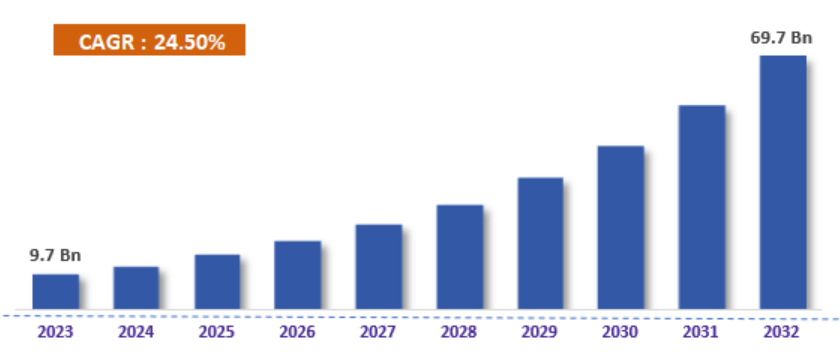
The global online therapy services market size was worth around USD 9.7 billion in 2023 and is predicted to grow to around USD 69.7 billion by 2032 with a compound annual growth rate (CAGR) of roughly 24.5% between 2024 and 2032.
Market Drivers & Trends
Advancements in digital technologies enable efficient delivery of therapy online.
Convenience of receiving treatment remotely without travel or waiting times.
Residential applications see higher growth with people accessing therapy from home.
Customized care via tailored programs and digital platform monitoring.
Type of Service
Psychodynamic therapy.
Cognitive behavioral therapy.
Personal centered therapy.
End Users
Clinics.
Hospitals.
Ambulatory centers.
Others.
Regional Analysis
North America accounted for the largest share due to higher healthcare spending and presence of major players.
Asia Pacific is expected to grow fastest due to improving healthcare infrastructure and increasing awareness.
Key Players
Key players in the Global Online Therapy Services Market include BetterHelp, TalkSpace, MDLive, Amwell, and Teladoc Health.
Barriers to Entry
Limited Awareness in Developing Nations: Lack of understanding about the benefits of online mental health resources hampers market growth in developing countries.
Low Smartphone Ownership and Poor Internet Penetration: Limited access to technology in developing regions restricts the adoption of online therapy services.
Lack of Digital Literacy: Low levels of digital literacy among certain population groups in developing countries pose a barrier to the use of online mental health tools.
The Target Market
The Global Artificial Intelligence (AI) in Mental Health Market
The Global Artificial Intelligence (AI) in Mental Health Market focuses on AI-driven technologies that enhance mental health care through tools like chatbots, predictive analytics, and personalized treatment solutions.
Market Size & Growth Potential
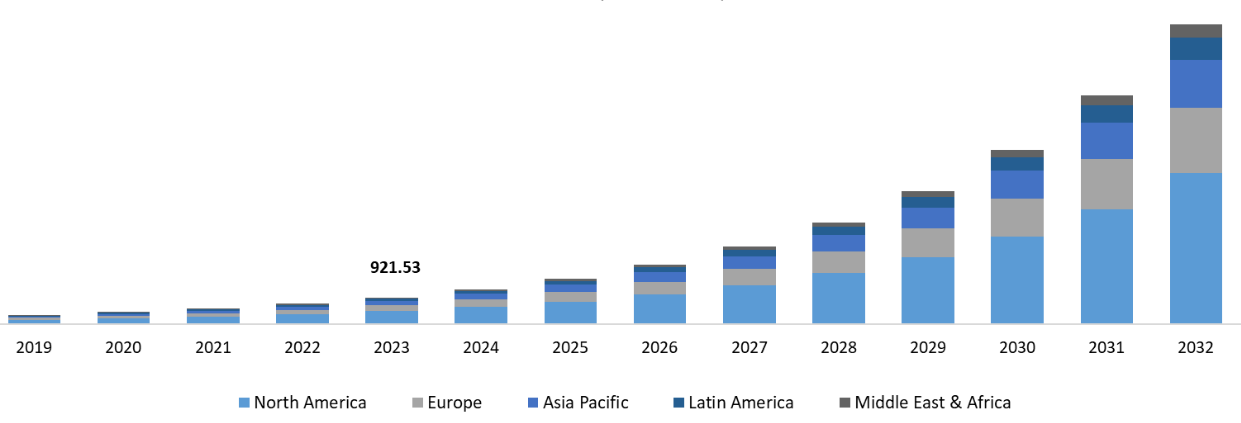
The artificial intelligence (AI) in the mental health market was valued at USD 921.53 million in 2023. It is projected to expand from USD 1.2 billion in 2024 to USD 10.33 billion by 2032, with a CAGR of 30.8% over the forecast period.
Market Drivers & Trends
Increasing prevalence of mental health disorders globally.
Rising need for early detection and effective treatment of mental health issues.
Growing adoption of digital tools and telehealth services for mental healthcare.
Regional Analysis
North America accounted for the largest share due to high healthcare spending and presence of major players.
Asia Pacific is expected to grow fastest due to improving healthcare infrastructure and increasing awareness.
Key Players
Key players in the AI in mental health market include AiCure, Calmerry, Cognito Therapeutics, Flow Neuroscience, Mental Canvas, Moodpath, Sonde Health, and Wysa.
End Users
Hospitals and clinics, Mental health centers, Research institutions and Others.
Barriers to Entry
Concerns around data privacy and security.
High R&D costs associated with developing advanced AI systems.
Lack of infrastructure and support in low-and-middle income countries.
Potential Market Size for the Venture
In this section, we will analyze the potential market size for the venture by focusing on the number of therapists across key regions, including the USA, Canada, the UK, Germany, and Sweden, while calculating the total addressable market (TAM) globally. For the USA specifically, we will calculate the serviceable available market (SAM) and serviceable obtainable market (SOM), using average pricing for AI-based tools to provide insights into revenue opportunities.
Data Collected on various therapists (USA)
Number of psychologists = 110,300.
Number of psychiatrists = 56,536.
Number of clinical social workers = 292,329.
Number of occupational therapists = 139,077.
Data Collected on various therapists (Canada)
Number of psychologists = 19,500.
Number of psychiatrists = 4770.
Number of clinical social workers = 52,823.
Number of occupational therapists = 20,000.
Data Collected on various therapists (UK)
Number of psychologists = 54,200.
Number of psychiatrists = 13,170.
Number of clinical social workers = 122,400.
Number of occupational therapists = 48,000.
Data Collected on various therapists (Germany)
Number of psychologists = 37,933.
Number of psychiatrists = 23,757.
Number of clinical social workers = 4950.
Number of occupational therapists = 3461.
Data Collected on various therapists (Sweden)
Number of psychologists = 16,000.
Number of psychiatrists = 2276.
Number of clinical social workers = 29,000.
Number of occupational therapists = 10,000.
Average Global Price for a Similar Solution
Average yearly price for AI based tools for therapists (based on competitors Upheal and Blueprint Health) = $149 X 12 months = $1,788. Comment: The price is determined by the average number of notes, factoring in the inclusion of advanced features.
The Target Audience
Introduction
This chapter explores the diverse target audience for AI-driven digital mental health tools, focusing on both individual patients (B2C) with mental health conditions, ranging from minor to severe, and professional therapists (B2B), particularly psychologists. It also considers broader segments like general therapists, hospitals, and mental health centers. By analyzing these audiences, we aim to identify the key stakeholders and opportunities for maximizing the impact of innovative AI solutions in mental health care.
Mental Health Status Worldwide
792 million people are affected by mental health issues worldwide according to Ourworldindata.org. Also, approximately 548 million people suffer from anxiety and depression, and about 1 in 4 people will experience at least one mental health problem each year.
Disorder | Number of people with the disorder | Share of males:females with disorder |
Any mental health disorder | 792 million | 9.3% males, 11.9% females |
264 million | 2.7% males 4.1% females | |
284 million | 2.8% males 4.7% females | |
107 million | 2% males 0.8% females | |
71 million | 1.3% males 0.6% females | |
46 million | 0.55% males 0.65% females | |
20 million | 0.26% males 0.25% females | |
Eating disorders | 16 million | 0.13% males 0.29% females |
Prevalence of mental health and Substance Use disorders Worldwide
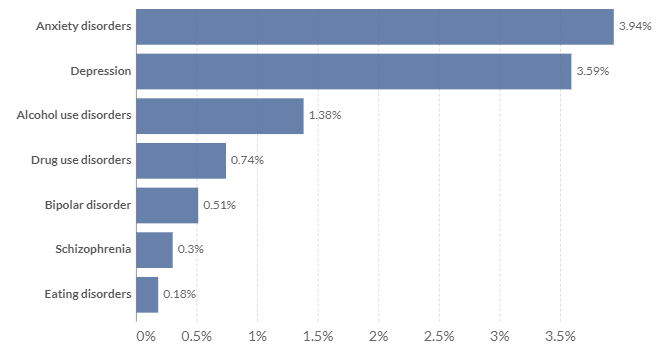
Anxiety disorder was found to be the most prevalent mental health condition, affecting approximately 3.94% of the population, while depression was the second most common disorder with 3.59% of the population experiencing it.
Prevalence of mental health and substance use disorders by disorder type
Regional Comparison
This section provides an analysis of how AI adoption in mental health varies across different regions, considering factors like market share, adoption rates, and regulatory environments. It highlights the key drivers and barriers influencing the growth of AI in mental health across these regions, offering insights into where the market is most promising for expansion.
Regions with Highest Adoption of Telemental Health
North America dominates the market due to high demand, with countries such as the U.S and Canada leading in adoption of telemental health. There is also significant growth in Asia-Pacific countries like India and China.
Revenue Share in the AI in Mental Health
North America, holding a 40.6% market share in 2023, leads the global AI in the mental health market due to several factors. High healthcare spending, especially in the United States, drives widespread adoption of AI technology in clinics and hospitals. The increasing prevalence of mental disorders, with over 26% of American adults diagnosed annually, further fuels market growth. The region's accelerated AI adoption is also influenced by the recent pandemic and growing awareness of mental health issues, supported by the presence of major AI technology companies.
Global Regulatory Approaches to AI in Healthcare
United States: The FDA regulates AI in healthcare, focusing on safety, algorithm bias, and real-world performance monitoring.
United Kingdom: The NHS emphasizes ethical AI use in mental health, ensuring transparency and patient safety.
European Union: The EU is developing stringent regulations for high-risk AI applications, prioritizing safety and ethics.
Australia: The TGA oversees AI in medical devices, balancing innovation with strict safety standards.
Singapore: The HSA supports AI innovation in healthcare through regulatory frameworks and government initiatives.
Regions with High Demand for Mental Health Therapy and AI Adoption
United States: High demand with 55.8 million adults treated in 2022; a leader in AI adoption for personalized mental health care.
Europe: Strong demand, particularly in Sweden, Norway, and Germany; increasing AI adoption focused on ethics and patient safety.
Australia: Growing mental health needs post-COVID; government-backed AI initiatives to improve care access.
Asia Pacific: Rising demand in India and Malaysia due to awareness and professional shortages; urban areas are leading in AI adoption to fill service gaps.
The Mental Health Patients Audience in the US
This section delves into the growing demand for mental health services, focusing on the increasing shift towards virtual therapy. It addresses common challenges faced in virtual therapy settings, demographic trends among users, and key geographic factors influencing telemental health adoption. The content aims to provide a comprehensive understanding of the patient audience for virtual mental health services, highlighting the evolving landscape of mental health care in the U.S.
Prevalence and Treatment of Mental Health Conditions in the U.S.
In 2020, mental health issues affected over 20% of U.S. adults, yet only 10.1% of them received counseling or therapy. Despite this low treatment rate, psychotherapy has proven effective, with 75% of those receiving care reporting improvements in their well-being.
However, by 2022, access to mental health services had expanded, particularly in the wake of the COVID-19 pandemic, with 27% of U.S. women and 28% of teens receiving treatment. This sharp increase highlights the growing demand for mental health services, particularly in virtual formats, as more patients seek accessible and effective treatment options.
Patient Challenges in Virtual Therapy
Communication and Feedback: Clear communication can be more difficult in virtual therapy settings due to the lack of non-verbal cues that are present in face-to-face sessions. Patients may struggle to fully express their emotions or interpret therapists' guidance without visual body language and subtle social signals, which are essential for effective communication in mental health care.
Engagement with Treatment Plans: The virtual environment can lead to difficulties in patient engagement. In inpatient settings, around 48% of professionals show interest in integrating online therapy, but a significant portion remains indifferent or hesitant.
Understanding Session Content: Virtual therapy can also make it harder for patients to retain the content of their sessions. The absence of in-person interaction may lead to difficulties in understanding and processing the therapist’s guidance, particularly for patients who rely on non-verbal cues to grasp complex emotional or cognitive concepts.
Benefits of AI-Driven Tools in Addressing Patient Challenges
Following the identified challenges, AI-driven tools, such as chatbots, play a crucial role in addressing these issues by enhancing patient engagement, providing consistent communication, and delivering clear instructions and feedback. The graph below illustrates the perceived benefits of mental healthcare chatbots for clients, showcasing the potential for these tools to improve the overall effectiveness of virtual therapy.
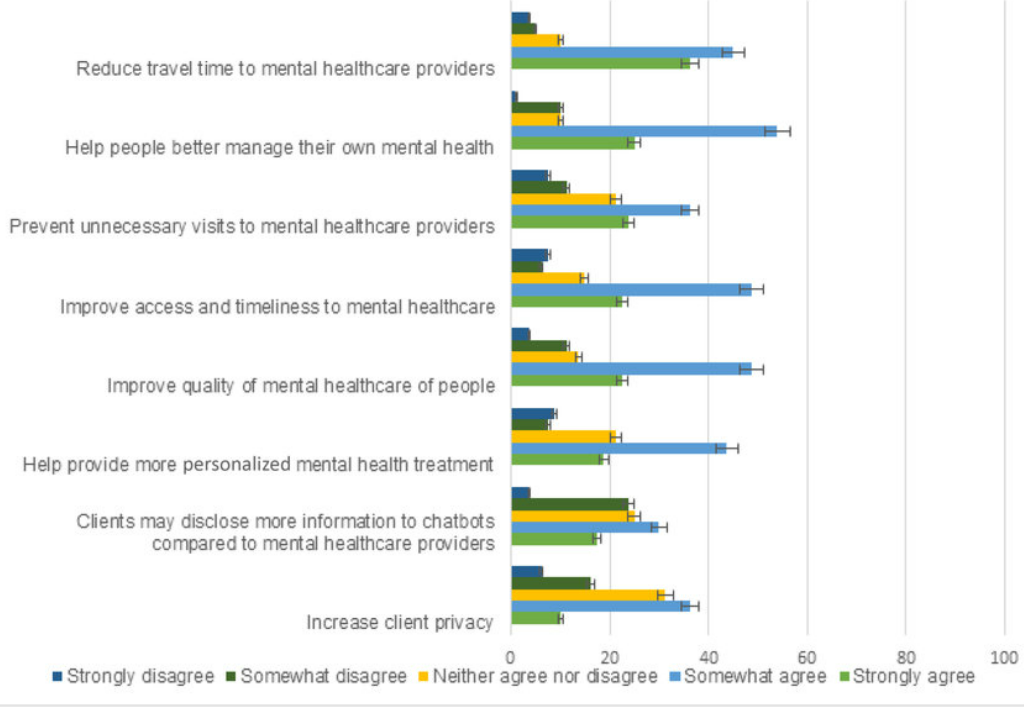
According to the graph, the survey revealed that the majority of patients strongly agreed that AI chatbots have significant potential in saving travel time, helping them manage their mental health, and preventing unnecessary visits to mental healthcare providers.
Target Audience Reach
Current Users of Remote Mental Health Care: In 2022, approximately 55.8 million adults in the United States received mental health treatment or counseling. According to a research report in the Annals of Internal Medicine, over half (55%) of these appointments were conducted remotely, primarily through videoconferencing. This means that about 30.69 million adults in the U.S. received their mental health care remotely.
Projected Growth (adoption rates): Nearly 60% of American adults indicated they would consider using telehealth services for their mental health needs. This suggests a significant potential for growth in the adoption of remote mental health care, including video conferencing, though the exact format of telehealth services may vary. Therefore, there is a potential to reach an audience of approximately 156.02 million across various telehealth modalities.
Demographics
Age: Younger adults are more likely to use virtual mental health services, with 66% of people aged 18–29 opting for these services compared to 36% of adults aged 65 and older.
Gender: Women are more likely to use virtual mental health services than men. In 2021, 42% of women reported using telehealth.
Geographic Analysis
The availability of telemental healthcare services varies widely across states, with high availability in states like Maine and Oregon and low availability in states like Mississippi and South Carolina. This highlights the regional disparities in access to virtual mental health services, which could influence where to focus efforts in expanding or marketing telehealth solutions.
Mental Health Therapists Audience in the US
This section provides a comprehensive analysis of the mental health therapists' audience in the U.S., covering the various types of therapists, their adoption of telehealth and AI tools, the challenges they face in virtual therapy, and key demographics. It highlights how AI can address these challenges and improve therapeutic practices, offering valuable insights into the potential target audience for AI-driven solutions in mental health care.
Types of Mental Health Therapists
To provide context for mental health and a broader understanding of the target audience for the proposed solution, the table below presents the various types of mental health therapists and their respective numbers.
Use of Telehealth by Mental Health Therapists
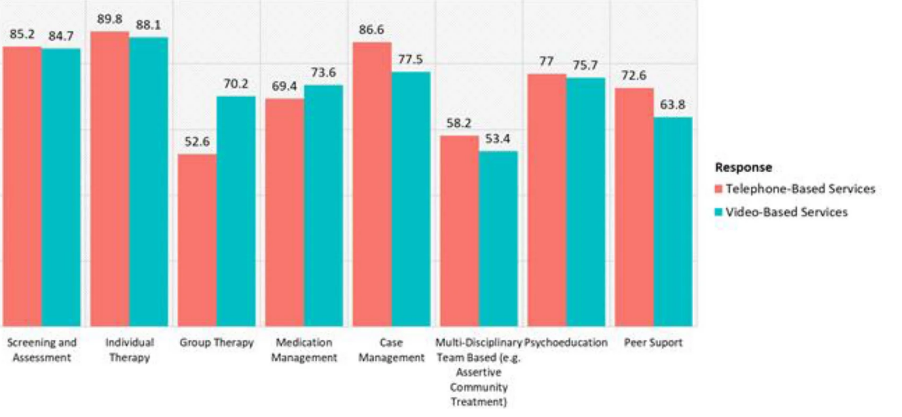
The following graph illustrates the significant increase in the use of telehealth for mental health services during and after the COVID-19 pandemic. This trend underscores the growing reliance on virtual platforms for mental health care, aligning with the broader shift towards telehealth solutions.
During the COVID-19 pandemic, 89.8% of individual therapy sessions were conducted via phone, and 88.1% via video conferencing. Organizations expressed a strong intent to continue using video services post-pandemic, viewing them as more favorable than telephone services for most mental health applications. Leadership and staff support for video counseling also contributed to the sustained use and potential growth of these services.
Challenges Relevant to Virtual Therapy for Mental Health Therapists
Barriers and Facilitators: Therapists face challenges such as maintaining therapeutic quality, dealing with technical issues like unstable internet, and ensuring patient confidentiality. While user-friendly platforms and telehealth training can help, they are not always easily accessible.
Navigating Virtual Therapy: Engaging patients in virtual sessions is harder due to distractions and the lack of in-person connection. Therapists must adapt their techniques for online formats and receive proper training to manage the unique dynamics of virtual therapy, including recognizing emotional cues through video and handling technical aspects.
Addressing Key Challenges with AI Tools
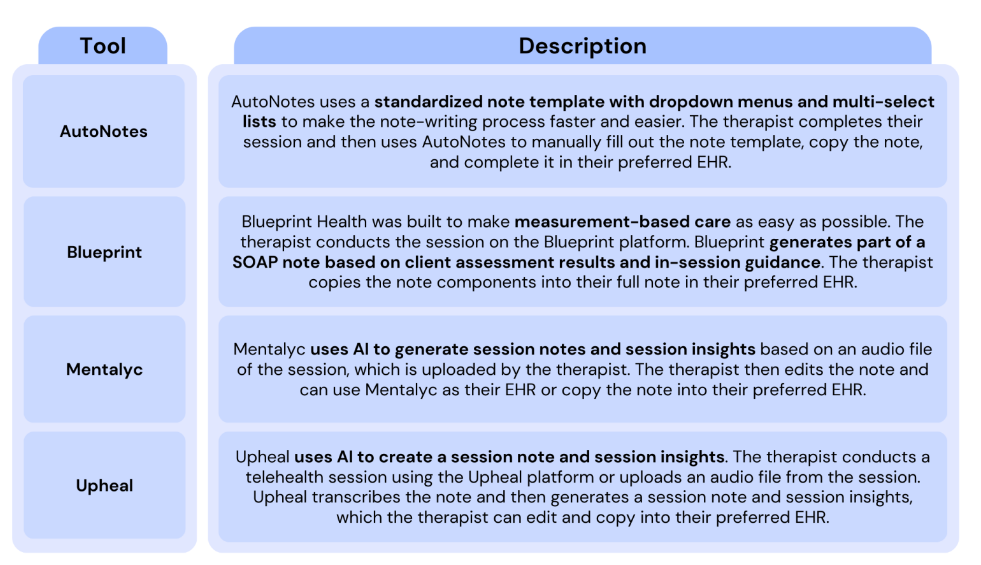
AI-powered chatbots and tools significantly enhance therapy by providing support between sessions, such as scheduling, delivering CBT interventions, and analyzing client journals. They improve accessibility, reduce stigma, and ensure consistent patient support. Additionally, AI assists therapists by automating administrative tasks, improving note-taking accuracy, and enhancing patient progress monitoring. This allows therapists to focus more on patient care while maintaining high standards of therapy, addressing logistical and engagement challenges in virtual settings.
For example, tools like Lyssn offer real-time feedback for training clinicians, while DeepScribe and Mentalyc use AI to transcribe therapy sessions, saving time and ensuring accuracy. Blueprint and Upheal go further by offering measurement-based care and insights from session data. These AI tools not only address logistical and engagement challenges in virtual settings but also enhance the overall efficiency of therapeutic practice.
Cost of AI Tools for Therapists
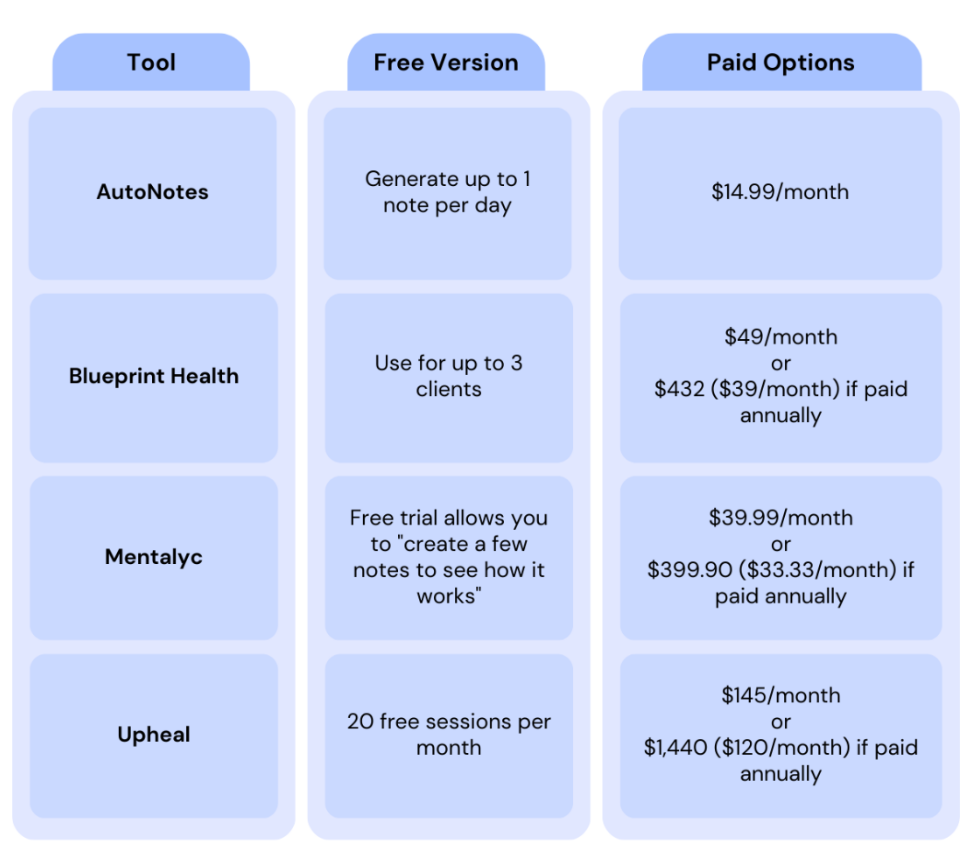
When considering AI tools, cost is a significant factor for therapists. Among available options, Upheal is noted for its higher price, but it offers a generous free option during its current Beta testing stage.
Demographics & Professional Overview of Telemental Health Providers
Demographics: The majority are female (69.1%), white (78.5%), and non-Hispanic (91.5%), with an average age of 39.25 years.
Professional Titles: Psychologists (30.9%), mental health counselors (27.4%), psychiatrists (20.6%), and social workers (13.1%) are the primary providers.
Type of Practice: Most work in large healthcare organizations (49.1%), with others in individual practices (23.4%) or small clinics (13.7%).
Geographical Distribution: Predominantly urban/suburban (73.7%), with some in rural areas (12.6%).
Potential Target Audience
There are over 198,811 therapists and about 110,300 active psychologists in the US.
The Psychologist Audience in the US
This section provides an overview of the demographics, geographic distribution, and adoption trends of psychologists in the U.S. It explores the gender, age, and ethnic composition of the field, highlights where psychologists are most in demand, and discusses the increasing use of telemental and AI tools among psychologists. The section also addresses the ethical concerns psychologists have regarding AI, along with the potential time and cost savings these tools offer in practice.
Demographics of Psychologists in the US
Gender: The majority of psychologists in the U.S. are women, with approximately 64.8% female and 35.2% male. This highlights a significant gender imbalance in the field, favoring female professionals.
Age: The average age of psychologists in the U.S. is around 46 years. This suggests that the profession is predominantly composed of mid-career professionals, with experience levels varying widely across the age spectrum.
Ethnicity: Psychologists in the U.S. are predominantly White, making up 75.9% of the workforce. Other ethnic groups include Hispanic or Latino (10.8%), Black or African American (5.1%), Asian (4.2%), with smaller percentages for other groups, indicating a lack of ethnic diversity in the field.
Self-employed: 36% of therapists in the United States are self-employed, according to the BLS.
Geographic Distribution And Employment Trends of Psychologists
State-Level Distribution: California has the highest number of clinical and counseling psychologists in the U.S., with estimates ranging up to 11,840 professionals as of May 2023. In contrast, Wyoming has the lowest, with only about 60 professionals. Delaware is considered the best state for psychologists to live.
City-Level Distribution: Psychologists are predominantly in demand in urban areas, with Los Angeles, part of California, having a high concentration of professionals. This aligns with California being the state with the most clinical psychologists.
Adoption of Telemental, Video Conferencing and AI
Telemental Adoption: As discussed earlier, approximately 70% of psychologists use telemental services.
Video Conferencing Adoption: 47% of therapists offer telemental services through video.
AI Adoption: 25% of psychologists are currently using AI and 19% are considering it. This shows a potential of about 44% of all psychologists in the US.
Psychologists' Concerns and Ethical Considerations with AI
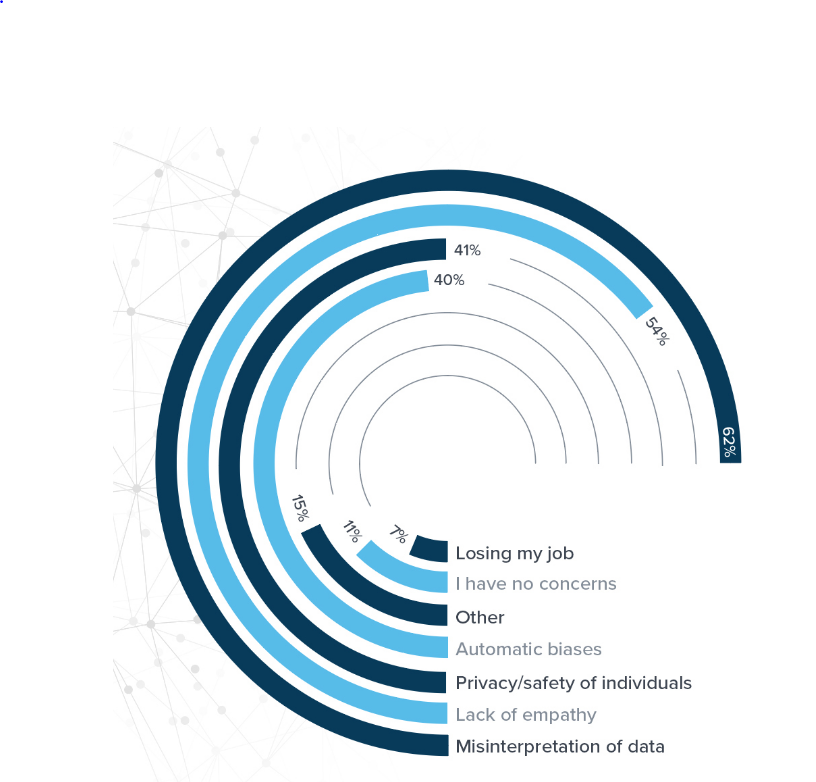
Despite the potential benefits of AI, psychologists express significant reservations. Concerns include misinterpretation of data, lack of empathy, and AI’s potential for bias. A majority of psychologists remain cautious about AI’s role, with many unsure of its ethical implications and the effectiveness of current safeguards against bias.
Time and Cost Savings for Psychologists Using AI
Note-Taking Efficiency: AI tools can reduce the average time psychologists spend on documentation from 15–20 minutes per session to just 3 minutes, offering a potential time savings of 12–17 minutes per session.
Cost Savings: AI not only streamlines administrative tasks but also enhances client retention. For example, solutions like Blueprint have shown a 25% reduction in client dropout, potentially saving over $5,000 per clinician annually. This efficiency allows psychologists to see more patients, increase revenue, and improve overall practice sustainability.
The Potential Number of Psychologists in the US
This section aims to estimate the potential market size for the proposed AI solution by analyzing the number of psychologists in the U.S. It includes three levels of market potential: the maximum number of active psychologists nationwide, an optimized estimate considering usage of telemental, video, and AI services, and a specific focus on the California market. The goal is to provide a comprehensive understanding of the potential audience size for the AI solution across various scenarios.
Maximum Potential Number of Users
The "Maximum Potential Number of Users" section identifies the total market size by considering the complete number of active psychologists in the U.S. as the potential audience for the proposed AI solution. This estimate represents the broadest possible scope for user adoption.
Data Collected
Total number of Psychologists in the US = 110,300.
Optimized Potential Number of Users
The "Optimized Potential Number of Users" section estimates the number of psychologists likely to adopt the proposed AI solution by applying relevant usage percentages to the total number of psychologists in the U.S. This calculation provides a refined view of the market's potential size.
Data Collected
Percentage of Psychologists who are using telemental services = 70%.
Percentage of Psychologists who are using video as part of their telemental services = 47%.
Percentage of Psychologists who are using AI or considering using it as part of their treatment = 44%.
Specific Audience Market
The "Specific Audience Market" section focuses on estimating the potential number of psychologists who may adopt the proposed solution in California. This estimate is derived by applying relevant percentages to the total number of psychologists in the state, providing a targeted view of the market opportunity.
Additional Data Collected
Number of psychologists in California = 11,840.
Business Models and Competition
Introduction
In this chapter, we will explore common business models relevant to the mental health technology sector, followed by an in-depth analysis of major competitors in the field. Afterward, we will present a detailed feature comparison table to highlight the strengths and weaknesses of these competitors, concluding with potential strategic partnerships that can enhance the platform’s capabilities and market reach.
Common Business Models
Freemium Model: In this model, basic features of the platform are offered for free to attract users. These free features are often sufficient for light or casual use, allowing users to get accustomed to the platform without any upfront cost. However, more advanced features, tools, or higher usage limits are locked behind a paywall. The revenue is generated by offering these premium features or services as paid upgrades, either through one-time payments or more commonly, through subscription tiers.
Subscription Model: The subscription model is widely used in the mental health technology sector. In this model, users, typically therapists or healthcare providers, pay a recurring fee (monthly or annually) to access the platform’s full range of features. This model provides a stable, recurring revenue stream and often includes various pricing tiers depending on the level of access or number of users, making it scalable across different user needs and sizes of practice.
Pay-Per-Use Model: The pay-per-use model offers flexibility by charging users based on the actual number of sessions, features, or assessments they utilize. This model is beneficial for users who do not require frequent access to the platform but still want the option to use its features as needed. Revenue is generated each time the platform is used, making it a scalable option that can appeal to both low-usage and high-usage customers depending on their needs.
White Label Solutions: Provide customized versions of the platform tailored specifically for large online therapy services providers through API integration or as a core component of their services. This collaboration can be established through licensing agreements or an enterprise licensing model. The revenue models for these solutions can be flexible, ranging from revenue sharing to pay-per-use or pay-per-user structures, depending on the needs and agreements with the partner.
AI-Driven Innovations in Healthcare Video Conferencing
Renowned corporations like Zoom and Microsoft Teams have developed industry-specific solutions, particularly for healthcare. These platforms include integrations with electronic health records (EHR) systems, remote patient monitoring, and HIPAA-compliant security features.
While these renowned companies provide AI tools such as real-time meeting summaries and sentiment analysis, the proposed solution has the potential to stand out by offering AI capabilities specifically tailored to mental health professionals, filling a gap in the current market.
List of Competitors
| |
Website | |
Mobile Apps | |
Demo Video | |
Legal Company Name | Eleos Health, Inc. |
Foundation Year | 2020. |
Location | Headquarters: Boston, Massachusetts, USA. Additional Office: Tel Aviv, Israel. |
About the Company | Eleos Health is an AI-driven platform designed to improve behavioral health care by automating operational tasks and providing actionable insights. The company focuses on reducing the administrative burden on clinicians, allowing them to spend more time on patient care. Eleos Health's solutions are built to integrate seamlessly with existing healthcare systems, offering a streamlined approach to managing behavioral health documentation and care quality. |
Key Personnel | Alon Joffe: Co-Founder and CEO, Dror Zaide: Co-Founder, Alon Rabinovich: Co-Founde, Dr. Shiri Sharvit: Co-Founder |
Number of Employees | 141 employees. |
Funding | Raised total $68 million in several rounds. |
Leading Investors | Menlo Ventures, F-Prime Capital, Eight Roads, Arkin Digital Health, SamsungNEXT. |
Business & Revenue Models | Subscription-Based Revenue: Offers its platform on a subscription basis, with multi-year commitments from clients. Partnerships and Integrations: Collaborates with EHR systems and healthcare organizations to expand its reach and enhance service offerings. |
Pricing | Not disclosed. |
Estimated Annual Revenue | USD 21.7 million |
Main Features | CareOps Automation: Eleos Health's platform automates the documentation process, significantly reducing the time clinicians spend on administrative tasks. The platform generates over 70% of progress note content, allowing providers to focus more on patient care. Augmented Intelligence: The technology uses behavioral health-specific machine learning models to provide objective insights into care themes and modalities. This helps drive self-reflection and improvement among providers. Seamless EHR Integration: Eleos Health's solution embeds directly into existing electronic health record (EHR) workflows via a simple browser extension. This integration allows for quick adoption without disrupting current processes. Session Intelligence: The platform offers analytics on evidence-based techniques, therapeutic alliance indicators, and session themes. This feature supports better care delivery and more informed treatment plans. Compliance and Revenue Protection: Eleos Health helps identify billing and compliance issues before they lead to claim denials. The platform is configured to meet specific payer and regulatory needs, optimizing claims for first-pass acceptance and payment. Performance Insights: Provides leadership reporting tools that offer dashboards for monitoring staff activity, caseloads, and performance metrics. This feature helps organizations scale supervision and training efforts. Real-Time Feedback: The platform continuously learns and improves based on user interactions, providing more useful insights the more it is used. Evidence-Based Care: Eleos Health supports the use of empirically-supported interventions, such as Cognitive Behavioral Therapy (CBT), Dialectical Behavioral Therapy (DBT), and Acceptance and Commitment Therapy (ACT). Scalable Solution: Designed to support both individual providers and large healthcare organizations, Eleos Health's platform is adaptable to various settings and specialties. |
Target Audience | Behavioral Health Clinicians: Therapists, counselors, and psychologists who need to streamline documentation and improve care delivery. Behavioral Health Organizations: Clinics and healthcare providers looking to enhance operational efficiency and care quality. Healthcare Systems and Networks: Organizations seeking to integrate advanced AI solutions into their existing EHR systems to support behavioral health services. |
Number of Users | Not disclosed, however it mentioned that they are currently operating in over 25 states. |
Online Marketing Channels |
|
Social Marketing Channels | LinkedIn. |
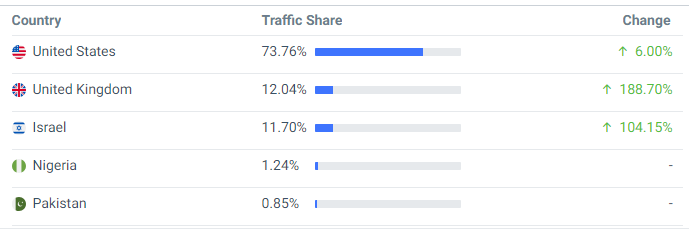
Traffic |
|
Strategic Partnerships | The Echo Group: Eleos Health integrates its CareOps Automation platform with EchoVantage EHR to reduce clinicians' administrative workload and enhance care efficiency through real-time clinical insights. Kipu Health: Eleos Health embeds its voice-based NLU technology within Kipu's EMR to automate documentation and provide clinical insights, aiming to reduce provider burnout and improve personalized care. ContinuumCloud: Eleos Health integrates its AI platform with ContinuumCloud's Welligent EHR to automate documentation and care insights, reducing manual tasks and supporting high-quality care delivery. |
Main Marketing Messages | Eleos Health's marketing messages emphasize the efficiency and quality improvement provided by their AI-powered CareOps Automation platform, which significantly reduces documentation time and enhances clinical decision-making. They also highlight the platform's seamless integration with existing systems and their commitment to scientific validation through peer-reviewed research, positioning Eleos as a leader in behavioral health technology. |
 eleos
eleos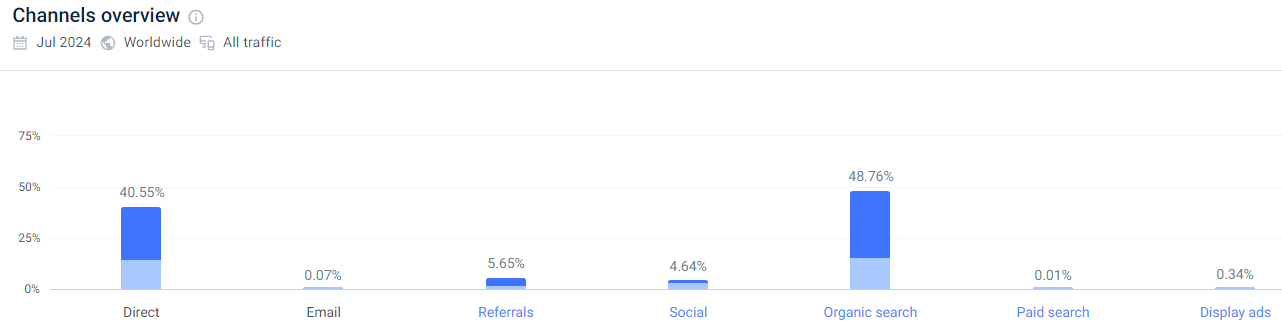
Feature Comparison Table
In this section, we present a detailed comparison of the competitors features.
The first table evaluates the features of the competitors against potential differentiation points for the proposed venture, highlighting areas where the venture could stand out.
The second table compares the competitors' features against each other, providing a clearer perspective on their relative strengths and weaknesses.
Notes
**AI Meeting Analysis- Meeting summary, transcript, historical tracking, therapeutic insights.
**Scheduling –
Aiberry: Offers appointment scheduling as part of its platform, allowing healthcare providers to manage appointments effectively.
Upheal: Provides scheduling features through integrations with tools like Google Calendar and Zoom, enhancing its functionality for managing appointments and sessions.
Blueprint Health: Includes scheduling capabilities, often integrated with EHR systems to streamline client management and notifications
Additional Notable Competitors
Additional Short Reviews
Potential Partnerships
Strategic partnerships can significantly enhance the platform by adding complementary features, expanding its reach, and providing added value for both therapists and patients. Below is an outline of how different partnerships can benefit the platform, followed by specific examples of potential collaborators and how they can work together.
Online Therapy Platforms: Collaborating with online therapy platforms that already use video sessions can allow for a seamless integration of AI features, such as real-time instructions, therapeutic insights, and meeting summaries. These partnerships are ideal since therapists on these platforms are already utilizing digital video sessions, making it easier to adopt AI enhancements.
BetterHelp: Since BetterHelp already employs video sessions, the integration of AI-driven tools could offer therapists enhanced features such as automated session summaries and real-time guidance. This partnership could streamline the therapeutic process, allowing therapists to provide more efficient care while improving session documentation and continuity of treatment.
Talkspace: Talkspace, which also heavily relies on video therapy, could benefit from AI-based patient tracking and real-time therapeutic insights during sessions. This would enhance their existing video sessions, allowing therapists to offer more personalized care and maintain continuous patient monitoring between meetings.
Telehealth Platforms: Telehealth platforms that provide comprehensive virtual care across multiple specialties can benefit from AI-driven tools that complement their mental health services. By incorporating these advanced features, telehealth platforms can enrich the therapeutic experience and improve patient outcomes.
Teladoc Health: Teladoc Health could enhance its mental health offerings by integrating AI tools that provide real-time therapeutic support during video sessions. Features like patient progress tracking and historical data analysis could allow therapists to deliver more informed and effective care through the platform.
Amwell: Amwell could incorporate AI-driven session summaries, continuous patient monitoring, and therapeutic insights into its video therapy services. This would help therapists better track patient progress and make informed treatment decisions, leading to improved patient engagement and outcomes.
Mental Health Organizations: Partnering with mental health organizations can help promote the adoption of AI tools within the therapist community. These organizations can advocate for the use of AI-driven technologies to enhance therapeutic outcomes, making advanced care more accessible.
American Psychological Association (APA): The APA could collaborate by promoting AI tools that improve therapy efficiency, such as automated documentation and real-time session guidance. This partnership could raise awareness about the benefits of integrating AI into therapy practices across the field.
Mental Health America (MHA): MHA could help therapists adopt AI-based tools by highlighting the advantages of continuous patient monitoring and feedback mechanisms. These tools could improve care outcomes by offering therapists deeper insights into patient progress between sessions.
Healthcare Providers and Insurance Companies: Healthcare providers and insurance companies can help make AI-driven tools more accessible by incorporating them into their mental health service offerings. These partnerships can reduce the financial barriers for therapists and patients, increasing adoption rates.
Kaiser Permanente: By integrating AI tools into their mental health services, Kaiser Permanente could offer therapists features like automated session summaries and real-time therapeutic insights. This could lead to better treatment outcomes and more efficient care delivery.
Cigna: Cigna could help make AI-based therapy tools more widely available by incorporating them into their mental health insurance plans. This would reduce costs for therapists and patients, ensuring that these advanced tools are accessible to a broader range of users.
These partnerships provide opportunities to expand the platform's influence by integrating its AI-driven features into established video therapy and telehealth ecosystems, helping therapists improve their care and enabling better patient outcomes.
Summary and Conclusions
Conclusions regarding the Market Overview Chapter
The Global AI in Mental Health Market is experiencing rapid growth, driven by advancements in artificial intelligence and machine learning technologies tailored to improving mental health care. This market represents a significant opportunity for innovation in therapy tools, diagnostics, and patient monitoring. Key growth drivers include:
Increasing demand for mental health services as stigma decreases.
The shortage of mental health professionals, particularly in rural areas.
Advancements in AI and machine learning technologies that enhance the accessibility, efficiency, and effectiveness of mental health care.
The growing need for AI-driven solutions that reduce clinician workloads through automation, improve patient outcomes, and optimize therapeutic approaches.
North America dominates the AI in the mental health market due to higher healthcare spending and a strong focus on digital health solutions.
The Asia-Pacific region is projected to experience significant growth due to increasing awareness of AI-driven mental health solutions and improving healthcare infrastructure.
Disparities in access to AI-powered mental health care exist, even in developed countries, creating opportunities to expand services, particularly in underserved regions.
Conclusions regarding the Target Audience
US Market Penetration:
The US is the leading country for market penetration due to its large population, prevalence of mental disorders, and early adoption of telehealth technologies.
The research states the availability of telemental healthcare services varies significantly across states, with high availability in states like Maine and Oregon, but low availability in states like Mississippi and South Carolina. This disparity underscores opportunities to expand availability of remote therapy tools, particularly in underserved regions where access is currently limited.
California represents a large opportunity, with over 11,840 psychologists located there according to the research. The concentration is highest in major metro areas like Los Angeles, which should be a priority market for reaching therapists.
Mental health patients audience in the US:
Younger demographics aged 18-29, most open to virtual therapy options.
Women, who utilize telehealth mental health services at higher rates than men.
Urban/suburban populations with the greatest access to services.
Therapists audience in the US:
Psychologists represent the largest proportion of mental health therapists and make up a primary target audience, with over 110,000 active psychologists in the US alone.
Telehealth adoption rates among psychologists are high, with around 70% currently using telemental services and 47% offering video-based counseling. This indicates openness to virtual tools.
Automating documentation and integrating AI-powered insights could significantly reduce time spent on administrative tasks by upwards of 85%, according to some estimates. This enhances productivity and makes therapists more lucrative.
Continuous training and education resources would help increase comfort and adoption of emerging virtual technologies among a portion of the therapist population.
Features addressing top challenges in virtual therapy like maintaining engagement and non-verbal communication cues could further optimize the patient experience and outcomes.
International Markets:
Potential countries for expansion include Canada, the UK, Germany, and Nordic nations, which are increasing telehealth adoption.
Asia-Pacific regions like India, Indonesia, and Malaysia show strong growth potential due to improving healthcare infrastructure.
Conclusions Regarding the Business Models and Prices
The dominant business model is subscription-based pricing, offering recurring revenue streams and scalability.
Value-based pricing models aligned with outcomes-based healthcare present opportunities to attract large healthcare organizations and insurers.
Competitors use a range of models, including freemium, licensing agreements, and partnerships with large online therapy service providers.
Integration and partnerships with existing systems like EHR platforms are essential for expanding reach and enhancing the platform’s value.
Competitors have comprehensive features, but differentiation opportunities exist in:
Focusing on specialized mental health features.
Enhancing EHR/platform integrations.
Offering multi language support.
Providing deeper therapeutic insights and session analytics.
Disruption is possible through flexible pricing models tied to healthcare outcomes, appealing to large healthcare systems.
Key Competitors:
Eleos Health: Offers AI-driven tools to automate behavioral health documentation and reduce administrative burdens on clinicians.
Blueprint Health LLC: Focuses on enhancing clinical efficiency through measurement-based care and client engagement tools.
Upheal, Inc.: Provides AI-powered therapy notes and session analytics.
Mentalyc Inc.: Automates therapy progress notes and improves clinician productivity.
Aiberry, Inc.: Leverages multi-modal AI for mental health screenings and real-time assessments.
Kintsugi: Uses AI to detect mental health issues via voice biomarkers.
Lyssn: Provides real-time feedback on therapy quality using AI-powered assessments.
Nabla Copilot: Assists clinicians with automated clinical documentation.
Conclusion on
A stronger focus on evidence-based therapeutic models and session analytics could help optimize treatment effectiveness and attract practitioners focused on measurable outcomes.
Deeper EHR integrations and support for multiple note formats and specialties would enhance adoption, particularly for large health organizations.
Expanding features like automated treatment plans and remote monitoring could improve long-term patient outcomes.
Multi-language and multicultural support would open new international markets and attract diverse user groups.
Partnering with healthcare systems, telehealth platforms, and mental health professional groups would support rapid scaling and further innovation.
Additional Differentiation Opportunities:
Multi-Modal AI Analysis: Incorporate AI that can simultaneously analyze text, audio, and video inputs during therapy sessions for a comprehensive understanding of a patient’s mental state.
Automated Documentation Generation: AI-driven documentation generation to reduce clinician workload and improve productivity.
AI-Powered Conversational Analysis: Implement real-time conversational analysis to facilitate early detection of mental health issues.
Real-Time AI Scoring: Enable real-time mental health condition assessments and risk scores for faster, data-driven decision-making.
Machine Learning for Behavioral Insights: Use specialized machine learning models to continuously adapt and improve therapeutic approaches.
Real-Time Language Translation: Incorporate real-time translation to break language barriers and expand global reach.
Real-Time Care Pathway Suggestions: Provide real-time care pathway suggestions linked to the latest mental health research.
Patient-Facing Tools: Offer comprehensive patient-facing tools for better engagement and communication between clinicians and patients, enhancing treatment outcomes.